
Popular Fragrance Notes You’ll Love

Aqua
Aquatic notes in fragrance notes fragrance notes are designed to evoke the freshness and purity of water, often suggesting clean, watery, or marine qualities.
These notes are typically crafted using synthetic molecules, with calone being a key compound that captures the ozonic, salty essence of sea breezes.
Other common elements include marine accord, sea salt for a mineral quality, citrus notes like bergamot or lemon for brightness, green notes for a fresh feel, and floral water accords such as lotus or water lily to enhance a dewy effect.
The use of synthetic notes like ambroxan and helional also contributes to the velvety, musky, and dry-woody facets that define modern aquatic fragrances .
These scents are often associated with feelings of refreshment, calm, and tranquility, mimicking the sensory experience of being near the ocean, fragrance notes a mountain lake, or a rain-soaked garden.
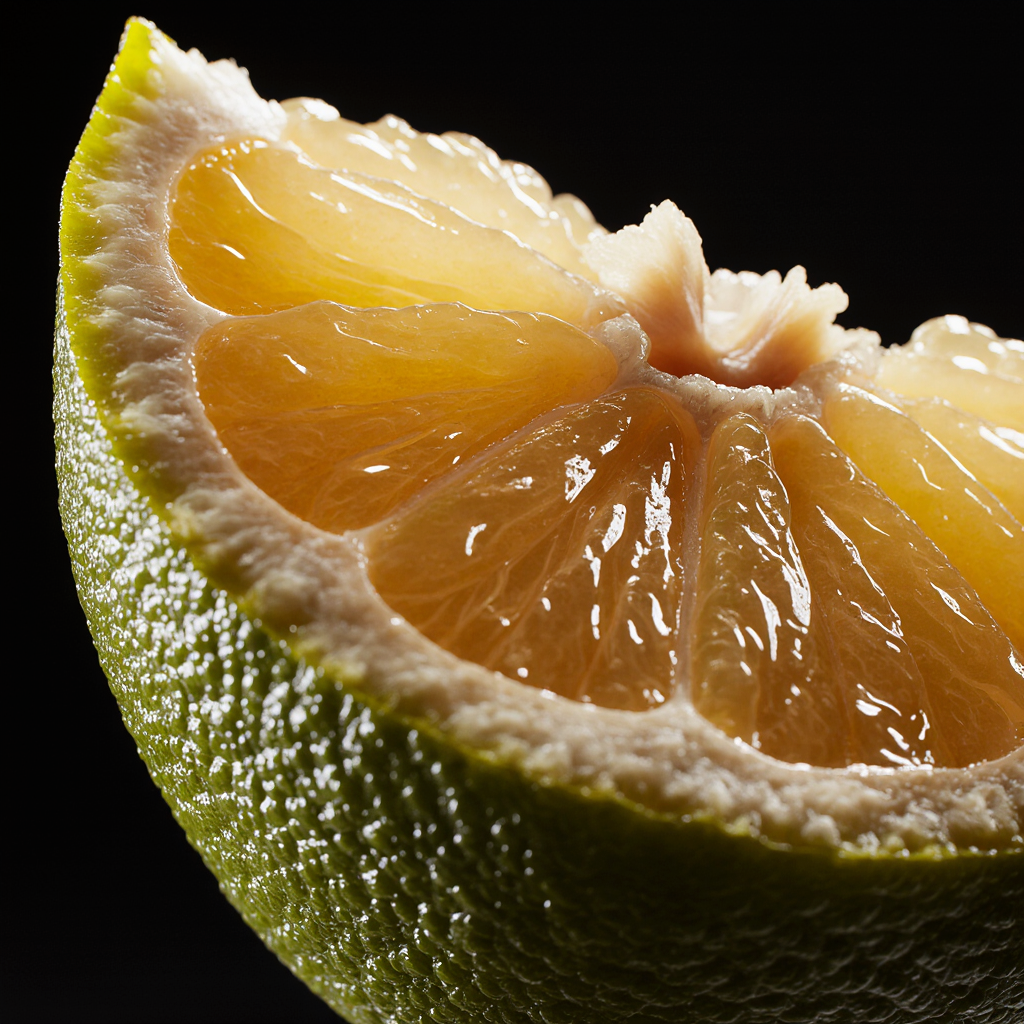
Bergamot is a complex citrus note with a fresh, crisp, and citrusy aroma that is often described as a blend of tart lemon and sweet orange, but with distinct nuances that set it apart of fragrance notes .
It features a unique bitterness and astringent character, offering a more rounded and full-bodied profile than other citrus notes.
The scent is characterized by mild spicy and floral undertones, adding depth and sophistication to fragrances.
This complexity makes bergamot a highly desirable top note in perfumery, often used to create an uplifting, energizing, and refreshing opening. It is a key component in the Chypre accord, alongside notes like rose, jasmine, oak moss, patchouli, and labdanum.
In perfumes, bergamot is frequently paired with other citrus fruits such as lemon, mandarin, grapefruit, and orange, as well as floral notes like jasmine, violet, and gardenia, and aromatic herbs like thyme and coriander.
It also blends well with spicy elements like black pepper, cardamom, and cinnamon, and woody or ambery base notes such as sandalwood, cedarwood, amber, and musk.
Bergamot
Jasmine
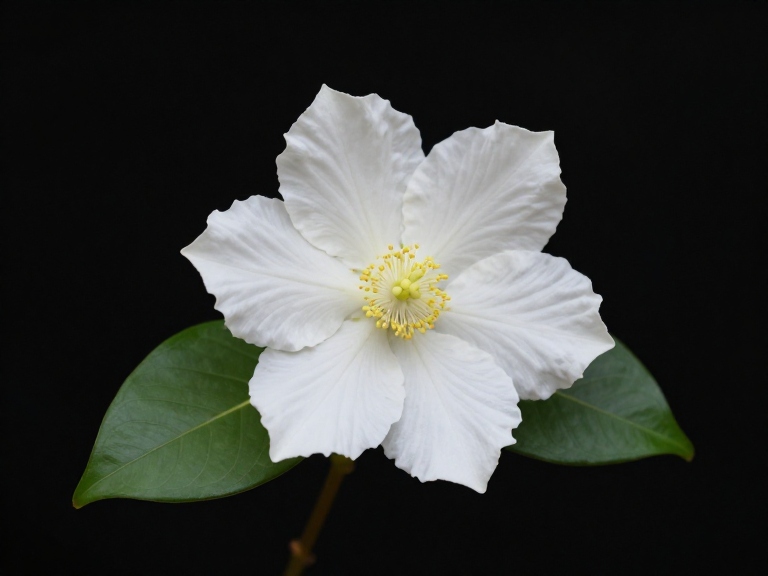
Jasmine in fragrance notes are characterized by a complex, multifaceted scent profile that is both sweet and rich, often described as floral, exotic, and slightly spicy. The fragrance can vary significantly depending on the species and growing conditions, with common descriptors including honey-like sweetness, a deep-herbaceous tea-like undertone, and an indolic sharpness that adds a sensual, musky depth. This complexity makes jasmine one of the most intricate and transformative notes in perfumery.Different varieties of jasmine contribute distinct nuances: Egyptian jasmine is noted for its deep, sensual, and slightly fruity character, while jasmine sambac from India offers a more pronounced fruity (banana-like) and honeyed aroma with a hint of greenness and animalic (indole) notes.
Jasmine grandiflorum, often grown in Grasse, is typically greener and captures the evening fragrance of Mediterranean jasmine.
The presence of compounds like indole, benzyl acetate, linalool, and methyl anthranylate contributes to its unique olfactory profile, sometimes resulting in a slightly “dirty” or animalic scent that not everyone enjoys
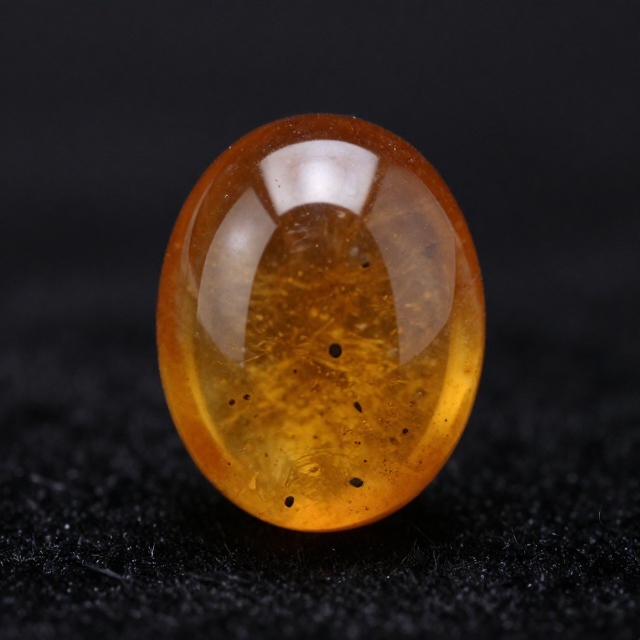
Amber is not a single natural ingredient but a carefully crafted fragrance accord, a blend of various components that together create its signature warm, rich, and resinous aroma.
This accord is a cornerstone in fragrance notes , particularly within the oriental and gourmand fragrance families, and is known for its ability to add depth, sensuality, and longevity to a scent.The primary ingredients in an amber accord typically include vanilla, benzoin, and labdanum.
Vanilla contributes a sweet, creamy, and syrupy quality, often described as toffee, maple, or caramel, which elevates the overall warmth and softness of the accord.
Benzoin, a resin from trees in Southeast Asia, adds a balsamic, sweet, and slightly vanilla-like note that enhances the comfort and richness of the blend.
Labdanum, extracted from the Cistus shrub, provides a leathery, slightly animalic, and smoky depth that gives the accord its characteristic resinous and earthy complexity.
Amber
Sandalwood
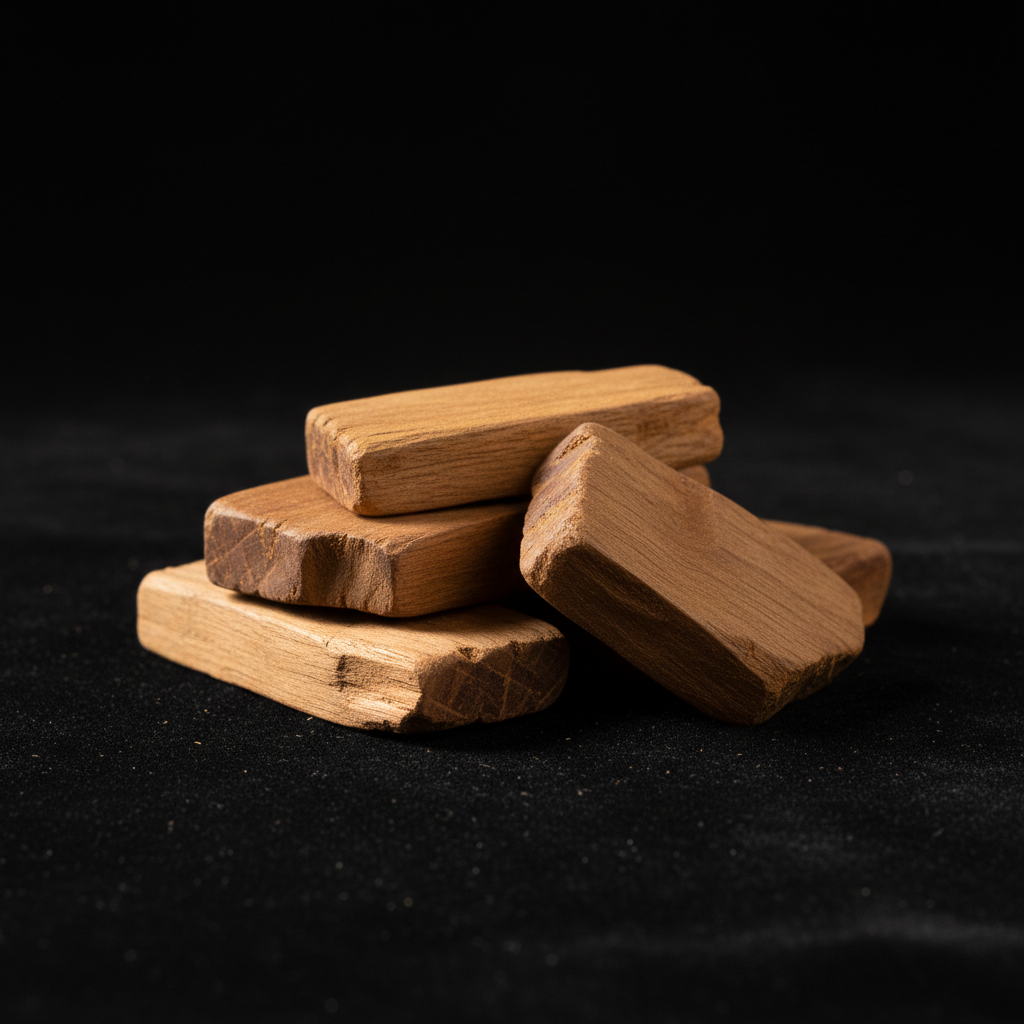
The sandalwood in fragrance notes is characterized by a warm, rich, and woody aroma with a smooth, slightly sweet, and creamy quality that is often described as velvety and luxurious.
It is considered a base note due to its large molecular structure, which allows it to adhere closely to the skin and provide long-lasting scent, often lingering for up to two days. fregnance notes .
The scent profile is typically described as woody, warm, rich, textured, creamy or milky, and soft, with a subtle green top note and a satisfying, lingering finish.Sandalwood is known for its ability to add comfort, longevity, and richness to fragrances, acting as a harmonizing foundation that blends seamlessly with a wide variety of other notes.
It pairs well with florals such as rose and white flowers, creamy fruits like peaches and coconut, berries, fresh fruits like apple, other woods such as cedarwood and vetiver, gourmand elements like vanilla and caramel, and spice notes including both cool and warm spices.
Its creamy, soft nature contrasts with the dryness of cedarwood or the smokiness of other woods, creating balanced and complex compositions.
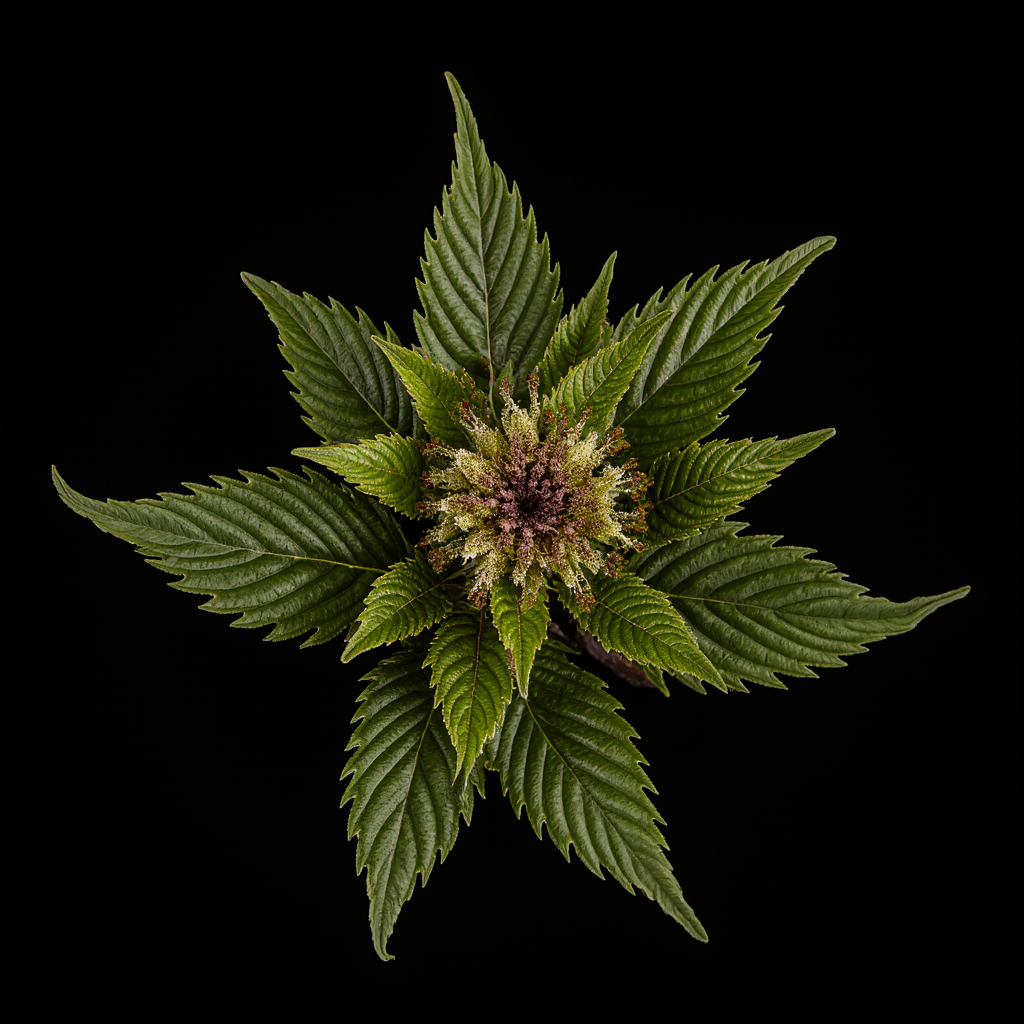
Patchouli is characterized by a complex, earthy, and woody scent profile with sweet, spicy, and slightly camphoraceous nuances.
It is often described as intensely earthy, musky, and woody, evoking the aroma of damp soil, a lush forest after rain, or a dark, humid cellar.
The scent can also carry hints of sweetness, reminiscent of cocoa, vanilla, or overripe apples, and may include subtle notes of moss, leather, or even a dusty or herbal quality. in fragrance notes .
Some perceive it as having a slightly medicinal or musty character, particularly in lower-quality formulations, though high-quality patchouli is celebrated for its depth and elegance.
In perfumery, patchouli serves as a powerful base note that adds richness, sensuality, and longevity to fragrances.
It blends harmoniously with a wide range of notes, including citrus (like bergamot or grapefruit), floral accords (such as jasmine or rose), other woody notes (like sandalwood, cedar, or vetiver), and sweet oriental elements (such as vanilla, amber, or incense).
Its versatility allows it to be used in various fragrance families, including woody, chypre, fougère, and oriental compositions.
The chemical compound patchoulol is primarily responsible for its distinctive earthy and sweet aroma, while germacrene-B contributes to its woody scent and insect-repelling properties. fragrance notes .
Patchouli
Orange
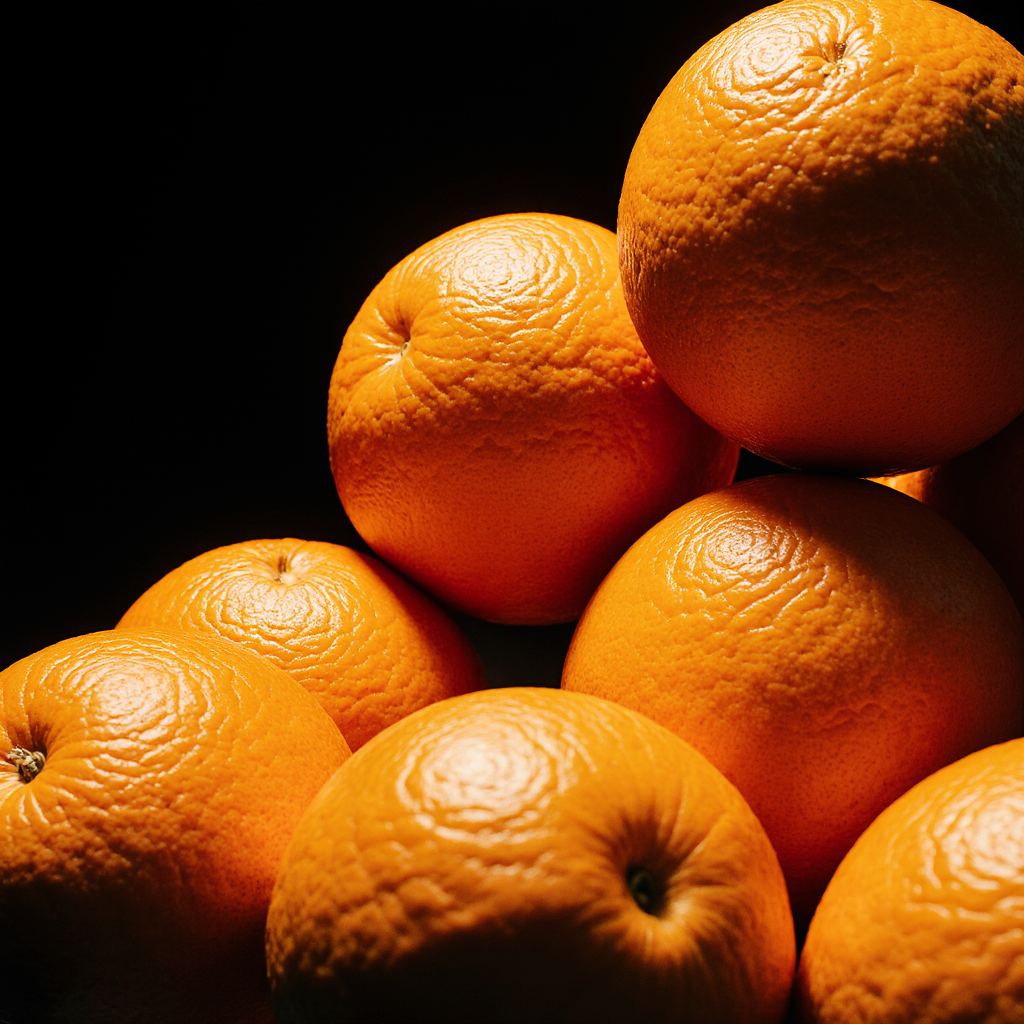
Orange in fragrance notes has deep roots in the fragrance industry. This bright, tangy fruit is a popular note in many scents, contributing to a fragrance’s top and base layers. Orange note perfumes are celebrated for their ability to refresh, energize, and brighten the atmosphere around you. Whether you’re a fan of sweet, fruity aromas or prefer a more sophisticated, spicy blend, orange perfumes have something for everyone.The vibrant appeal of orange notes lies in their ability to uplift and boost an instant mood. This citrus fragrance offers a perfect balance between sweet and tangy, making it ideal for a variety of occasions. From casual daytime outings to elegant evening events, the right orange-infused perfume can elevate any experience. Additionally, orange perfumes are not just limited to one gender—many options cater to both women and men, offering versatility for different tastes.
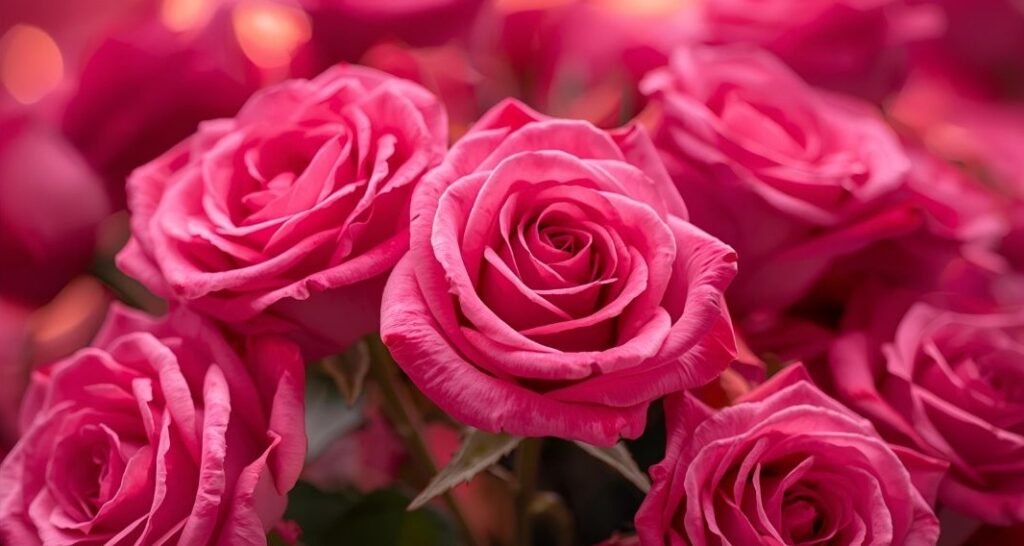
Rose is a complex and multifaceted note in perfumery, characterized by a rich, floral, romantic, and delicate scent profile that can be described as sweet, fresh, and slightly spicy, with undertones of green, fruity, powdery, honey-like, and even wine-like notes.Its aroma unfolds in stages: the top note often features a subtle hint of spicy clove, the heart note is deeply floral with a sweet, fresh, and slightly green quality, and the base note develops into a rich, warm, and soft impression, often fragrance notes reminiscent of honey or wine.This complexity arises from a symphony of over 127 identified compounds, with key contributors in which impart a hypnotic, fruity-floral, and sweet aroma reminiscent of dried fruits, black currant, plum, honey, and tobacco.Rose is classified as a floral note and is typically used as a heart or middle note in fragrance compositions, serving as a bridge between the lighter top notes and the deeper base notes.It is highly versatile, capable of blending seamlessly with a wide range of other notes to create diverse scent profiles. For instance, it can be combined with fruits to create a fruity-pink accord, with spices like cinnamon, cloves, or cardamom for a rose-spice accord, or with woods such as cedar or sandalwood for a rose-woody accord.It also pairs well with musk, amber, vanilla, and even leather, allowing for the creation of gourmand, oriental, chypre, or even unisex fragrances.
Rose
Vanilla
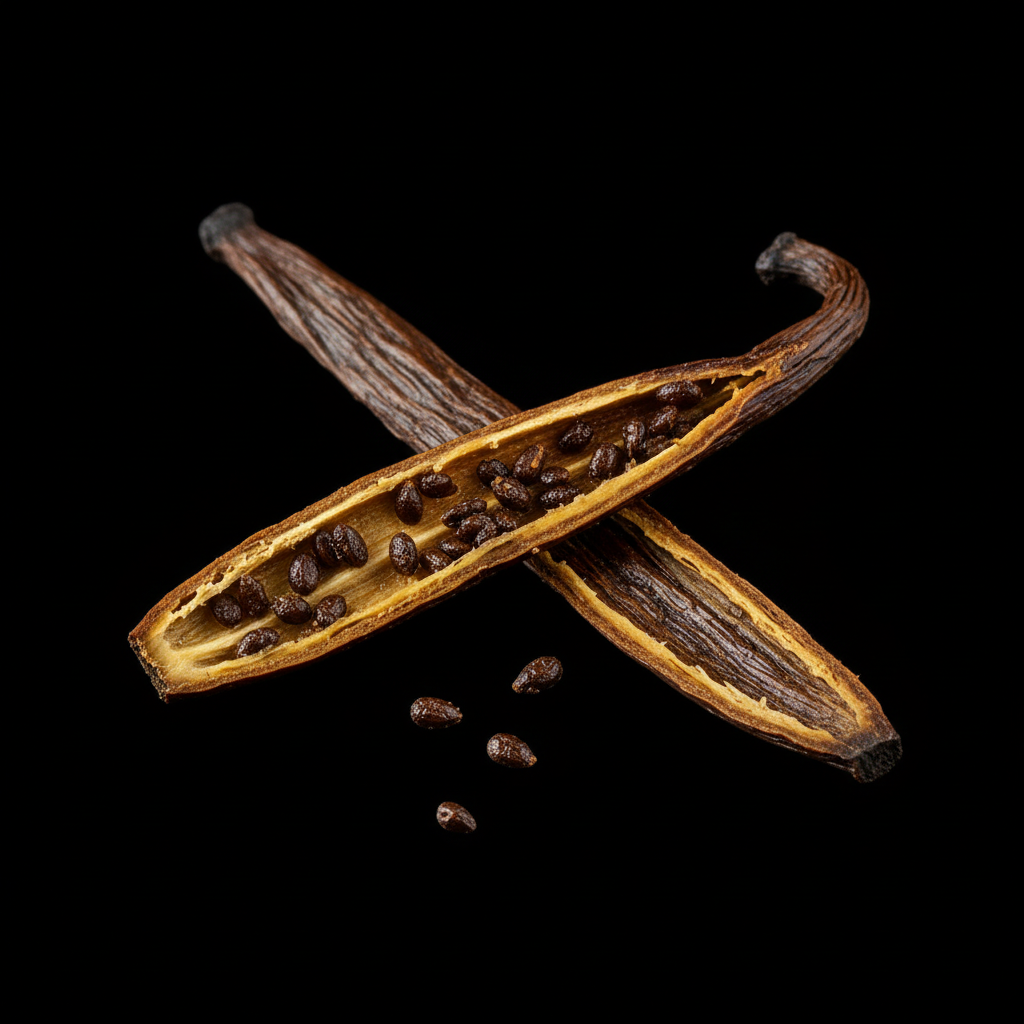
Vanilla is a highly versatile and complex scent note in fragrance notes known for its warm, comforting, and subtly sensual qualities.
While often associated with sweetness, its olfactory profile is far more nuanced, encompassing resinous, creamy, smoky, and even slightly boozy facets.This complexity arises from its primary aromatic compounds—vanillin, coumarin, and anisaldehyde—where vanillin provides the signature sweet, creamy scent, coumarin adds a warm, hay-like quality, and anisaldehyde contributes a spicy, almond-like note.Vanilla is typically used as a middle or base note in fragrances, emerging gradually and lingering on the skin to enhance longevity and act as a fixative.
It is a key ingredient in the amber family and is frequently paired with a wide range of notes to create diverse olfactory experiences. In citrus fragrances, it softens the zestiness of bergamot, lemon, or mandarin, creating a radiant yet smooth character. When combined with florals like rose, jasmine, or ylang-ylang, it imparts a rounded, creamy, skin-like warmth.
In woody compositions, it adds richness and brings out the natural sweetness in dry woods like sandalwood, cedar, or patchouli. It also enhances the plush, resinous quality of amber and complements spices such as pink pepper, clove, or cardamom, resulting in a sultry yet luminous effect.
Oud fragrance notes are characterized by a complex and intense olfactory profile that can include woody, animal, green, smoky, leathery, spicy, fruity, honeyed, or floral facets.The initial scent of pure oud oil can have a barnyard or musky aroma, but it evolves into a warm, leathery fragrance as it develops on the skin.The scent is derived from the resin produced by Aquilaria trees after they are infected by fungi, a process that can take years and results in the formation of agarwood, also known as oud wood.The olfactory profile of oud varies significantly depending on the species of Aquilaria tree, its origin, and the environmental conditions in which it grew.
For example, Aquilaria mallaccensis is known for its woody, warm, and resinous nuances, sometimes with notes of dried fruit, while Aquilaria crassna offers subtle, sweet woody notes with green and spicy touches.
The rare and highly prized “Kinam” or “Kynam” grade of agarwood is noted for its honeyed or vanilla-like sweetness and exceptional complexity. explore